The 6 Principles of Business Consulting That Actually Move the Needle
If you’ve worked in technology or operations for any length of time, you’ve probably seen this play out more than once: a new system launches, the project technically “succeeds”, and yet the business doesn’t really change. That’s because meaningful change doesn’t happen by default once software goes live. It happens when people understand what needs to shift, why it matters, and how to carry that shift through to the end. This is where a business consulting expert brings considerable value.
At Saratoga, we help organisations bring clarity to change. How? Almost always, business analysis is the discipline that holds everything together, and what we use to turn ideas into practical action. It helps teams agree on priorities, make better decisions, and avoid costly mistakes.
While tools and terminology continue to evolve and change, good business analysis still depends on a few simple, tested principles.
Skip ahead: We need a business consultant
Principle 1. Be Clear About What You Want to Change
Many organisations start projects without clearly agreeing on the problem. They might say they want to “modernise” or “be more efficient”, but those ideas are too vague to guide real decisions. Good business consulting starts by creating shared understanding.
How we put this into practice
We help teams get clear on the basics.
We help you:
- identify what is not working today
- agree on what needs to improve
- understand who is most affected
- describe what success would look like in real terms
When everyone finally understands what the change is meant to achieve, the discomfort that comes with change becomes more manageable. It also becomes easier to assess risks, set priorities and make sound decisions together.
Principle 2. Focus on Real Needs, Not Quick Fixes
There are often many opinions on what the need is. Funnily enough, people often jump straight to solutions.
“I need a report.”
“We need automation.”
“We need AI.”
If you think about it, you’ll see that these requests are for tools. They’re not needs per se. The experienced business consultants and analysts at Saratoga look at the problem behind the request.
How we put this into practice
We ask simple, but important, questions.
We help you:
- understand why information is missing
- identify where decisions feel slow or risky
- see where work gets stuck or repeated
Once the real need is clear, the right solution becomes easier to choose. This avoids spending money on things that do not solve the real problem.
Principle 3. Choose Solutions That Fit How the Business Really Works
A solution only works if it fits the organisation it’s built for. Technology does not exist in a vacuum. The best business consulting experts understand that solutions must work within real constraints, not ideal ones.
How we put this into practice
We look beyond the brief at the full picture, not just the system.
We help you consider:
- Strategy and future direction
- how the business operates today
- what skills and capacity teams have
- what rules or regulations apply
- what systems already exist
Sometimes a small, focused change delivers more value than a large overhaul. Every solution involves trade-offs. Making those trade-offs visible allows leaders to make informed decisions, rather than accidental ones. Our aim is always the same: solutions that are practical, usable and sustainable.
Principle 4. Make the Bigger Picture Easy to Understand
Every project sits within a wider business environment. This context is everything. It determines what is possible, what is risky, who needs to be involved, and where pressure points lie. Real challenges arise when we don’t see the forest for the trees (or, when teams only see their part of the picture).
How we put this into practice
We help teams see what is often hidden.
We help you understand:
- dependencies on older systems
- process gaps or bottlenecks
- organisational pressures or constraints
- customer and industry realities
By making this context clear, we help teams understand not just what is happening, but why. We turn scattered information into a shared picture that everyone can work from.
Principle 5. Build Trust With Stakeholders to Reduce Friction
No matter how technical a project is, it is always about people. Each person brings their own expectations, priorities, concerns and pressures. Progress slows when the priority on good communication takes a back seat.
We don’t measure good communication with the amount of meetings we’ve scheduled. No, for us it is about clear, respectful conversations with the right people at the right time. And about closing the loop so stakeholders feel heard and informed.
How we put this into practice
Our business consultants focus on trust, clarity, and understanding.
Clear communication
- explain complex ideas in simple language
- help business and technical teams understand each other
Alignment
- manage expectations early
- keep decisions open and visible
Healthy working relationships
- address tension before it becomes conflict
- keep the end user in mind at all times
This is often where projects quietly succeed or fail. Trust reduces friction and helps teams stay aligned.
Related: From Chaos to Clarity: Lessons on Leading a Strategic Project with Purpose
Principle 6. Check That the Change Was Worth It
The final principle is one many organisations overlook: value. Too often, change is delivered and the team moves on without checking whether it actually made a difference.
Not so with us. We understand that value means different things to different people, so we help define and measure what value looks like for your company, and if the change adds that value.
How we put this into practice
We help define value early and assess it honestly.
We help you:
- agree on what success looks like
- check whether outcomes match expectations
- understand trade-offs across teams
This ensures change leads to real improvement, not just activity.
How These Principles Work Together
These principles are not necessarily a list of linear steps to follow in order. Rather, for us, they guide thinking throughout a project.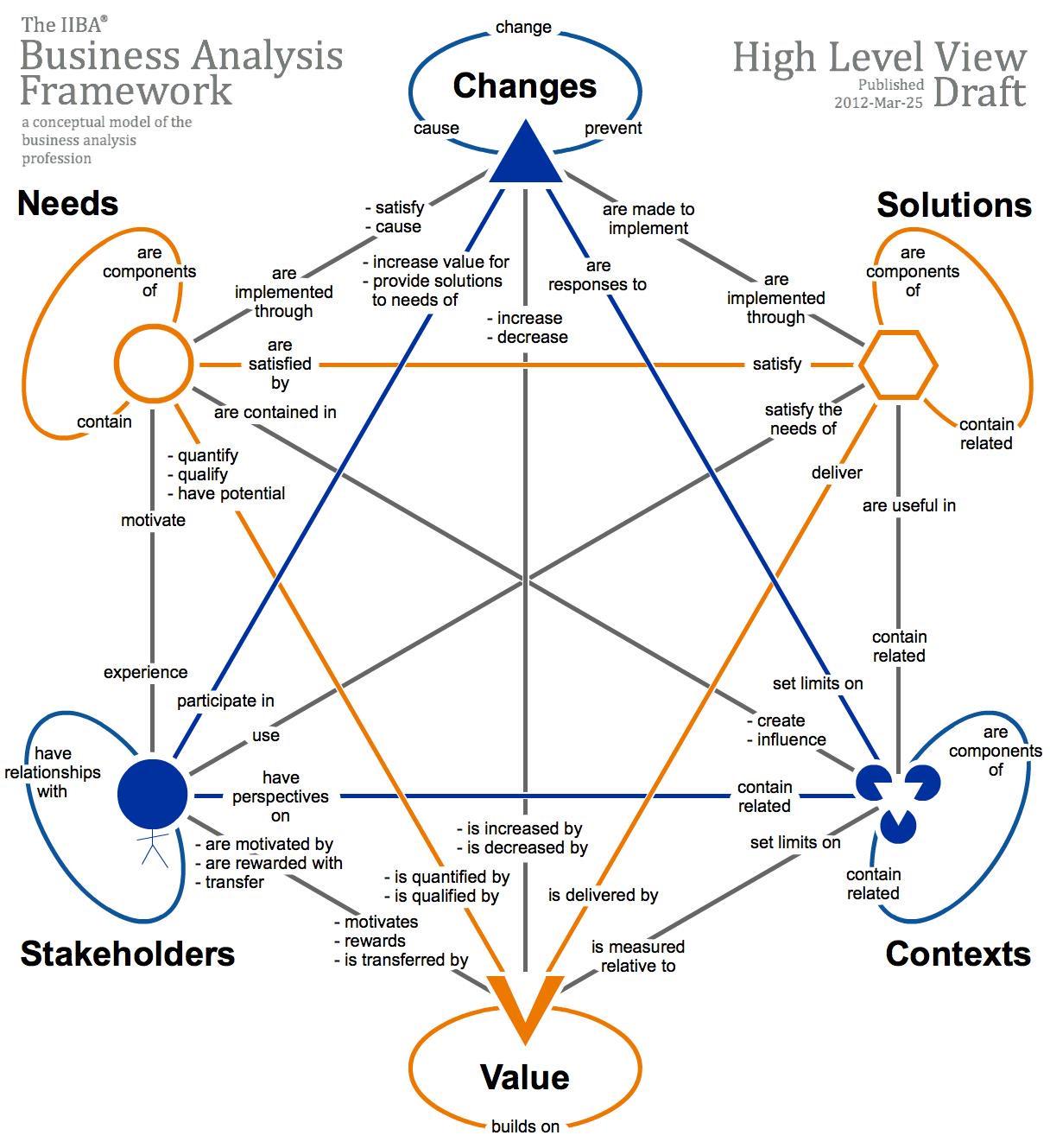
At Saratoga, we apply them across our engagements. Whether we are tasked to:
- improve business processes
- implement new systems
- support digital or AI-enabled change
- modernise older environments
The result is the same: clearer thinking, less risk exposure, and solutions that work in the real world.
Related: Custom Software Development: The True Cost of Successful Project Delivery
Get Business Consulting Services That Delivers More Than a Go-Live
Strong business analysis is the difference between initiatives that simply launch and initiatives that deliver lasting value. If you need support with an upcoming change, want to strengthen your business analysis capability, or need clearer thinking around complex decisions, we would be glad to help.
Enquire with Saratoga to explore how our business analysis services can support your next initiative.